Safety is not always the part of a home we notice first. When it is thoughtfully planned, it supports the background of everyday life without making the space feel clinical or complicated.
Give important details a place
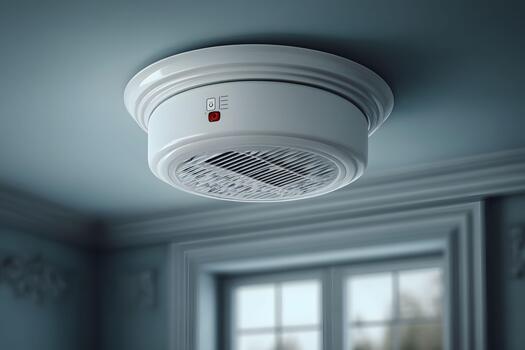
A calm home makes essential items easy to find and simple to use. Clear entry lighting, well-considered locks, visible escape routes and properly placed smoke alarms can all contribute to a more confident sense of home. Existing devices and materials should be reviewed by qualified professionals where needed.
A small walk through each room can reveal things that are easy to overlook: a dark approach, a loose handrail, a blocked path or a device that needs attention. Keeping a simple home-care note can help those observations turn into useful action.
Balance reassurance with the character of the home
Security equipment and safety fixtures do not have to overwhelm a room. Placement, finish and scale matter. A sensor that is positioned with care or an entry light chosen to suit the architecture can feel like part of the home rather than an afterthought.
For more involved upgrades, it can be helpful to bring a trusted specialist into the conversation early. Their guidance can help make sure that the solution suits the house, the local requirements and the people who live there.
Make peace of mind part of the plan
Renovation is a natural moment to consider the less visible parts of comfort. While walls, windows or lighting are being updated, the wider plan can include safer movement, better visibility and dependable fire protection.
A home feels more settled when its useful details are cared for. Thoughtful safety planning is not about worry; it is a quiet way of looking after the life unfolding inside.