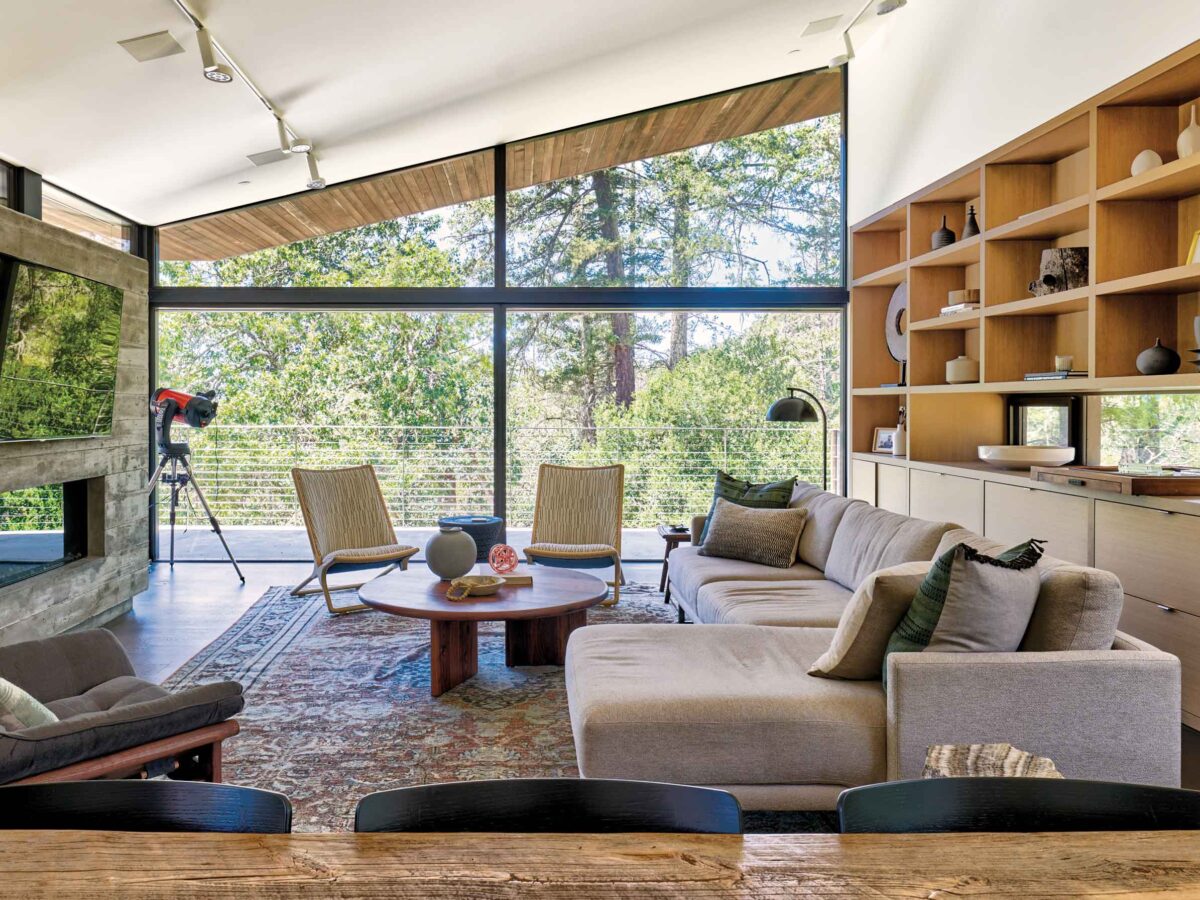
The rooms we return to are rarely the ones that try the hardest. They are the rooms that make daily life feel a little easier, a little softer, and entirely our own.
Begin with how the room feels
Before choosing a paint color or moving a sofa, notice the moments the room already holds. Where does morning light settle? Where do people naturally gather? Which corners feel calm, and which ones seem to collect the day? Those small observations are a better starting point than a passing trend.
Write down the feeling you want to bring forward. It might be ease, warmth, a sense of openness, or a little more room to focus. A clear feeling can help every later choice belong to the same story.
Let beauty earn its place
A lovely object becomes more meaningful when it also serves the way you live. A side table can catch a book and a cup. A bench can make a quiet entry feel welcoming. A well-placed lamp can turn a hard-working room into a softer place to land at the end of the day.
Look for materials that age gracefully and finishes that feel good to touch. Natural grain, woven texture, gentle contrast and honest materials bring depth without asking for attention.
Leave room for change
A home keeps changing as its people do. Flexible furniture, useful storage and a thoughtful lighting plan make it easier for a room to shift with new routines. Keep the layout generous where movement matters, and let the most personal details be the ones that can move with you.
When each choice has a reason to be there, a room feels collected rather than staged. That quiet sense of belonging is what makes a home beautiful long after the first fresh coat of paint.